Diamante natural vs laboratorio: what really matters when choosing a diamond today
Honestly, you might not know this, but over the past few years I’ve spoken to jewellers, gemologists, sustainability experts, and plenty of couples trying to make a decision that feels right — ethically, emotionally, and financially. And what I’ve learned is this: there’s no single “correct” answer. There’s just the answer that works for you.
So let’s slow things down a bit. No sales pitch. No flashy promises. Just a grounded, real-world look at natural diamonds and lab-grown alternatives — what they are, how they differ, and why the debate has become so personal for so many people.
Understanding the basics (without the jargon overload)
At a glance, natural and lab-created diamonds look the same. That’s not marketing spin — it’s physics.
A natural diamond forms deep beneath the Earth’s surface under extreme pressure and heat, taking anywhere from one to three billion years to crystallise. They’re mined, cut, polished, graded, and eventually sold — often with a story attached about rarity and romance.
A laboratory diamond, sometimes called a lab-grown or synthetic diamond, is created using advanced technology that replicates those same conditions. The result? A diamond with the same chemical, physical, and optical properties as a natural one.
Same sparkle. Same hardness. Same carbon structure.
This is where many people pause and say, “Wait — if they’re the same, why the fuss?”
Well, the difference isn’t so much in the stone itself, but in everything surrounding it.
The emotional pull of natural diamonds
There’s something undeniably romantic about natural diamonds. They’ve been around longer than humanity itself, after all. For some buyers, that geological history carries real weight.
I once interviewed a Sydney-based jeweller who put it this way: “People don’t just buy a diamond. They buy the idea that it’s survived the Earth changing around it.”
Natural diamonds also hold stronger resale value. Investors, collectors, and traditional buyers still see them as long-term assets — particularly larger stones with high clarity and provenance.
There’s also the heirloom factor. Many families pass down natural diamonds through generations, and that sense of continuity matters deeply to some people.
But — and this is important — that emotional pull doesn’t cancel out valid concerns.
The ethical questions that changed the conversation
For years, the diamond industry struggled with transparency. Conflict diamonds, environmental damage, and questionable labour practices left many buyers feeling uneasy.
Yes, major reforms have taken place. Certification systems and ethical sourcing have improved dramatically. But even now, some consumers remain cautious.
That’s one reason the diamante natural vs laboratorio debate has grown louder. People want beauty without baggage. They want something meaningful that doesn’t come with lingering doubts.
This is where lab-grown diamonds started gaining real traction.
Why lab-grown diamonds aren’t “fake”
Let’s clear this up straight away: lab-grown diamonds are not cubic zirconia. They’re not glass. They’re not “imitation” stones.
They’re real diamonds — just created differently.
Two main methods are used: High Pressure High Temperature (HPHT) and Chemical Vapour Deposition (CVD). Both produce diamonds that even trained gemologists can’t distinguish without specialised equipment.
What surprised me when researching this was just how far the technology has come. Early lab stones had flaws. Today’s lab diamonds can be visually flawless and precisely controlled in terms of size and colour.
For buyers who care about consistency, that’s a big plus.
Price: the elephant in the room
Let’s be practical for a moment.
Lab-created diamonds typically cost 30–60% less than their natural counterparts. Sometimes even more, depending on size and quality.
That price gap allows buyers to either:
- Choose a larger stone
- Upgrade clarity or colour
- Spend less overall and allocate budget elsewhere
I’ve spoken to couples who used the savings for a house deposit. Others travelled. Some simply enjoyed knowing they hadn’t overstretched financially.
This affordability is one of the strongest arguments in favour of lab-grown options — and it’s not going away.
If you’re curious about how this comparison plays out in detail, there’s a solid breakdown here that helped me frame the discussion more clearly: diamante natural vs laboratorio. It’s informative without being pushy, which I appreciate.
Sustainability and environmental impact
Mining diamonds is resource-intensive. There’s no getting around that.
Lab-grown diamonds, on the other hand, require far less land disruption. That said, they do consume energy — particularly electricity — so their environmental footprint depends heavily on how that energy is sourced.
Some labs now use renewable energy, which significantly lowers emissions. Others are still catching up.
From a sustainability perspective, lab-grown diamonds generally come out ahead — especially when transparency is strong.
For environmentally conscious buyers, this is often the tipping point.
Resale value: the uncomfortable truth
This is where lab-grown diamonds face their biggest challenge.
Natural diamonds have an established resale market. While prices fluctuate, they tend to retain more long-term value, particularly for rare stones.
Lab-grown diamonds, by contrast, depreciate faster. As production technology improves and supply increases, prices are expected to continue falling.
That doesn’t mean they’re a bad purchase — but it does mean they shouldn’t be viewed as investments.
If resale matters to you, natural diamonds still hold an edge.
Jewellery trends and modern attitudes
Fashion doesn’t stand still, and neither does jewellery.
Younger buyers are more open to alternatives. They ask questions. They research. They want transparency. And many of them don’t see value in paying a premium for origin alone.
Lab-grown diamonds align well with this shift. They’re modern, accessible, and free from old industry baggage.
Designers, too, are experimenting more. Larger stones, unconventional settings, bolder statements — all become more feasible when material costs drop.
From a lifestyle perspective, lab diamonds feel very “now”.
Are lab-made diamonds accepted socially?
Short answer? Yes.
Longer answer: most people can’t tell the difference, and even fewer care.
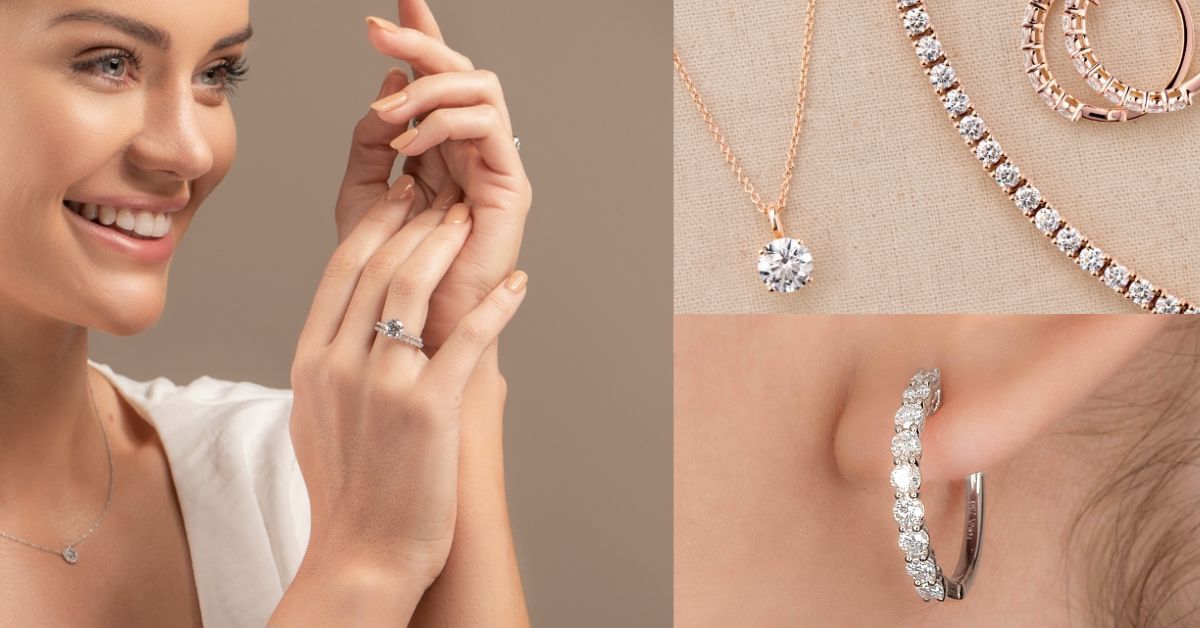
Engagement rings, earrings, pendants — once the piece is worn, its origin rarely comes up unless the wearer chooses to mention it.
There was a time when lab-grown diamonds carried stigma. That time has passed.
If you want a deeper look into how lab-created stones are made and perceived, this explainer is worth a read: lab made diamonds. It’s straightforward and clears up a lot of misconceptions.
Choosing based on values, not pressure
This is the part I always come back to.
Buying a diamond shouldn’t feel like you’re defending a thesis. It should feel right.
Some people love the ancient story of natural diamonds. Others prefer the innovation and ethics behind lab-grown stones. Neither choice is shallow. Neither is wrong.
What matters is that you understand what you’re buying — and why.
Ask yourself:
- Do I care about long-term value?
- Is sustainability a priority?
- Does the idea of geological history matter to me?
- Am I buying for tradition, or for personal meaning?
Your answers will guide you better than any salesperson ever could.
A quiet shift in the industry
From where I stand — watching the market, speaking to experts, and listening to real buyers — it’s clear the diamond world is changing.
Natural diamonds aren’t disappearing. Far from it. But they’re no longer the only “serious” option.
Lab-grown diamonds have earned their place, not through hype, but through genuine appeal.
And maybe that’s the healthiest outcome. Choice forces transparency. Competition improves standards. Buyers benefit.
Final thoughts, from one human to another
Well, if there’s one thing I hope you take away from this, it’s that the diamante natural vs laboratorio debate isn’t about winning or losing. It’s about alignment.
Alignment with your values. Your budget. Your sense of meaning.
Diamonds may be timeless, but the way we choose them doesn’t have to be stuck in the past.
Take your time. Ask questions. Trust your instincts.