HPHT Lab-Grown Diamonds: What Matters Beyond the Growth Method
Two laboratory-grown diamonds can have identical carat weights, colour grades and clarity ratings, yet look noticeably different when viewed side by side. The difference often comes down to cutting quality, proportions and how the stone handles light rather than the technology used to produce it.
HPHT, short for High Pressure High Temperature, is a method of growing genuine diamonds under controlled laboratory conditions. For Australian buyers comparing engagement rings or loose diamonds, understanding this process helps separate technical information from the qualities that actually affect appearance and value.
How the HPHT Diamond Growth Process Works
Natural diamonds form under intense heat and pressure deep within the Earth. The HPHT process recreates some of these conditions using specialised equipment.
A small diamond seed is placed inside a growth chamber with a carbon source and a metallic solvent or catalyst. The equipment subjects the material to temperatures commonly around 1,300–1,600°C and pressures of approximately 5–6 gigapascals.
Under these conditions, carbon dissolves in the molten metal and crystallises onto the diamond seed. The resulting crystal is subsequently cut and polished into a gemstone suitable for jewellery.
The finished material has the same fundamental carbon crystal structure as a natural diamond. It is not cubic zirconia or moissanite, which are different gemstones.
HPHT diamonds can therefore offer the optical properties and hardness associated with diamonds, although individual stones still differ in appearance and quality.
HPHT and CVD: Two Processes, Different Growth Conditions
The two established production methods for jewellery-quality laboratory-grown diamonds are HPHT and Chemical Vapour Deposition (CVD).
CVD diamonds grow when carbon-containing gases deposit diamond material onto a seed inside a controlled chamber. Unlike HPHT, this process operates at substantially lower pressure.
Both methods can produce colourless or near-colourless diamonds suitable for engagement rings, earrings and other fine jewellery.
An important distinction is that HPHT can describe either a diamond’s original growth method or a treatment applied after growth. Some CVD-grown diamonds undergo HPHT treatment to improve their colour.
Consequently, a diamond described as HPHT-treated is not necessarily HPHT-grown.
For buyers researching growth technology, resources discussing lab grown diamonds hpht can provide a starting point, but the grading report and specifications of the individual stone should guide the purchase.
Does HPHT Produce Better Diamonds?
Neither growth method guarantees a better-looking finished diamond.
Some HPHT-grown diamonds contain metallic flux inclusions associated with the materials used during production. Others may show distinctive fluorescence or phosphorescence under ultraviolet light.
CVD-grown diamonds can display different internal characteristics, including growth-related strain or certain colour effects.
These features help gemmological laboratories identify how diamonds were produced. They do not automatically mean that a particular stone will look unattractive or perform poorly in jewellery.
A well-cut CVD diamond may appear brighter than a poorly proportioned HPHT diamond, while a carefully selected HPHT stone can deliver excellent brilliance.
For everyday jewellery, the quality of the finished diamond deserves greater attention than assumptions about its production method.
Cut Quality Makes the Visible Difference
A diamond’s cut determines how effectively light enters, reflects within and exits the stone.
For round brilliant diamonds, proportions, symmetry and polish provide useful starting points. An independent cut grade can help narrow the selection, although photographs and videos remain valuable when comparing individual stones.
Fancy shapes require additional judgement.
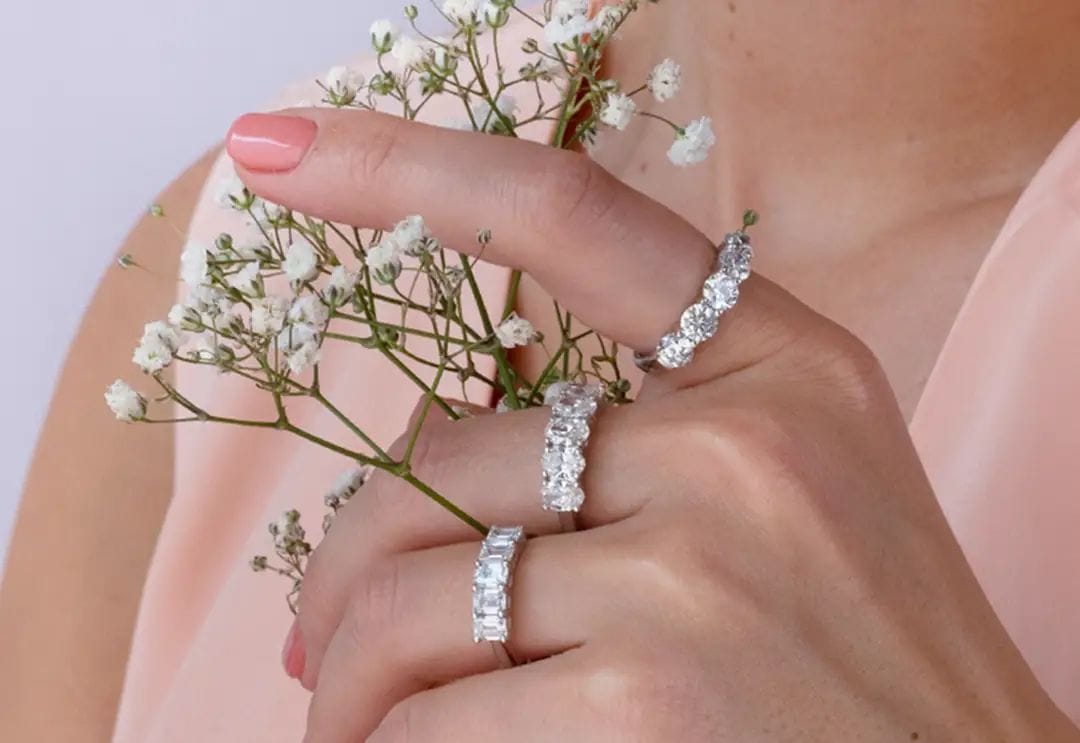
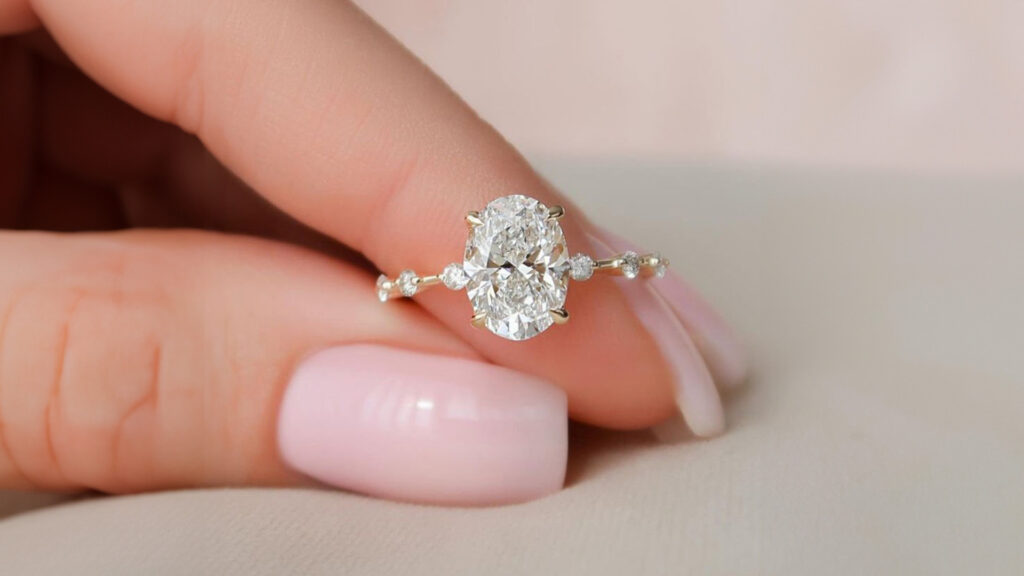
An oval diamond, for instance, may have a visible dark area across its centre known as a bow-tie effect. Two oval diamonds with similar grading details can exhibit noticeably different levels of contrast.
Emerald cuts present a different challenge. Their broad, step-cut facets can make inclusions and body colour easier to notice.
Buyers should therefore assess the lab made diamonds stone rather than relying exclusively on the four Cs or growth method.
Reading the Diamond Grading Report
A recognised gemmological report helps establish what is being purchased.
Independent laboratories such as the International Gemological Institute (IGI) provide reports that identify laboratory-grown diamonds and assess relevant characteristics, including carat weight, colour, clarity and cut-related details.
Depending on the report, additional information may identify the growth process and indicate post-growth treatment.
Before ordering, buyers should check:
- Diamond origin: Confirmation that the stone is laboratory-grown.
- Report number: A reference that can be verified through the issuing laboratory.
- Colour and clarity: Grades appropriate for the chosen shape and setting.
- Measurements: Physical dimensions rather than carat weight alone.
- Growth and treatment information: Whether the available report specifies HPHT or CVD and any detected treatment.
A grading report is a technical assessment, not a promise that every diamond with the same grades will look identical.
Choosing an HPHT Diamond for an Engagement Ring
An engagement ring introduces considerations beyond the loose gemstone.
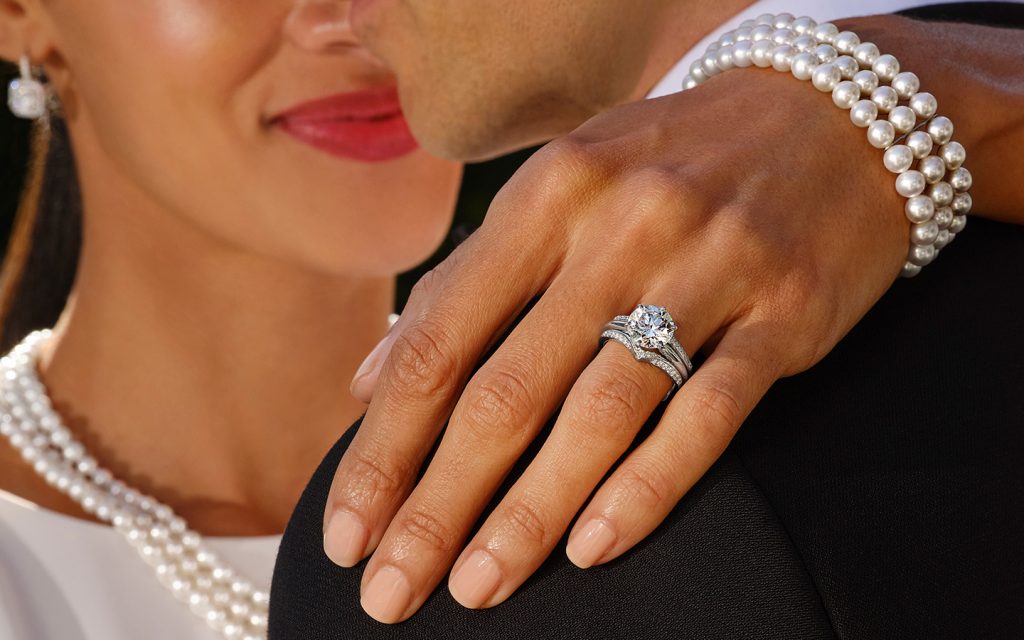
A solitaire setting draws attention directly to the centre stone, making cut quality and visible inclusions particularly relevant.
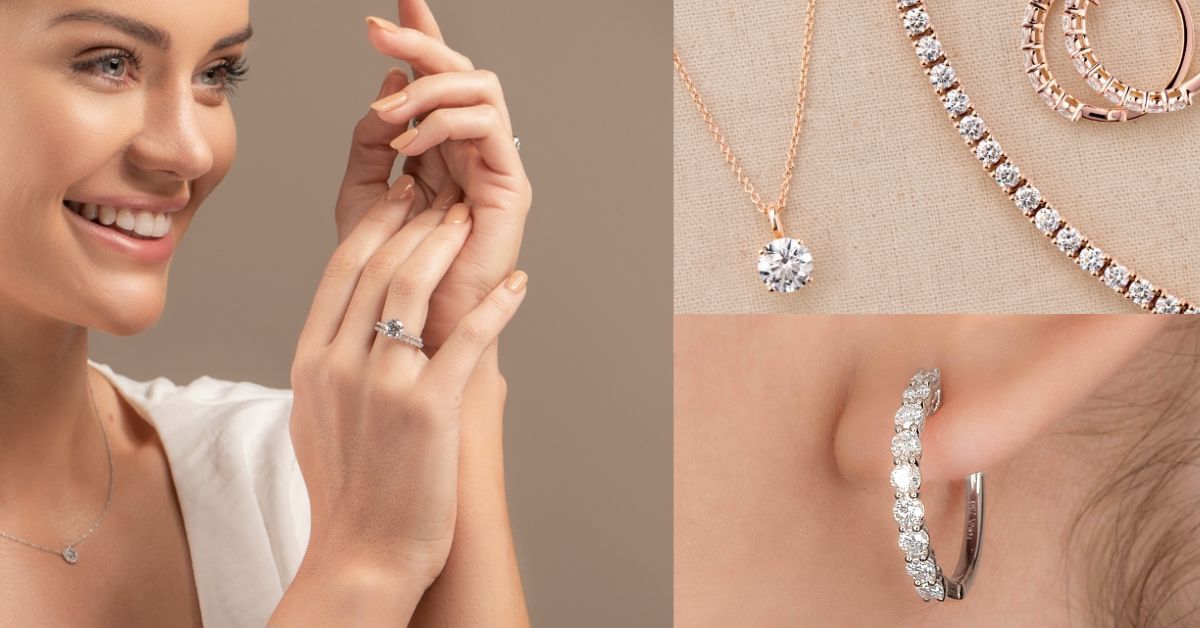
Halo and pavé designs add smaller diamonds around or alongside the centre stone. Buyers should consider how the accent stones compare in colour and overall appearance.
A bezel setting surrounds the diamond with a metal rim, offering additional protection around its edge. Prong settings generally expose more of the stone but need appropriate construction and periodic inspection.
Metal choice affects the finished appearance as well. Platinum, white gold, yellow gold and rose gold provide different visual effects and maintenance considerations.
For someone wearing an engagement ring every day, comfort, setting height and the security of the diamond deserve as much attention as carat weight.
Practical Purchase Checks for Australian Buyers
When comparing loose diamonds or completed rings from Australian jewellery retailers, request the details of the actual stone being supplied.
A listing photograph may represent a design rather than the exact diamond included in the order.
High-resolution imagery, a grading report and clear measurements make comparisons more meaningful.
For online purchases, confirm the ring-sizing process, resizing conditions, delivery arrangements, warranty coverage and return policy before committing.
Custom designs may have different cancellation or return conditions from ready-made jewellery, so these terms should be understood before production begins.
The Specifications Worth Prioritising
A sensible purchasing approach begins with appearance and intended use, followed by laboratory documentation.
If two diamonds are similarly priced, compare their cut proportions, visible clarity characteristics and face-up dimensions before treating HPHT or CVD as the deciding factor.
A slightly lower colour or clarity grade may also be a reasonable compromise when the difference is not noticeable in the chosen design.
For an everyday engagement ring, a well-proportioned diamond in a secure, comfortable setting is generally a more practical priority than selecting a stone solely because it was grown using a particular technology.