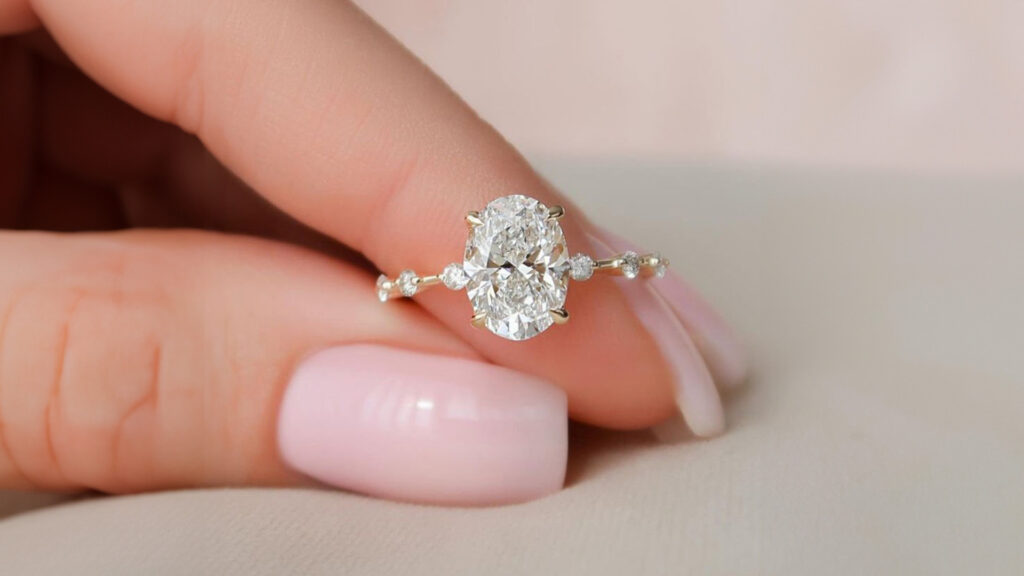
Loose Lab Grown Diamonds: Smart Buyer Guide
Lab Grown Diamonds Explained Simply
These days, picking a loose lab grown diamonds paying extra or settling for less. Change has arrived. A stone grown in a controlled setting now matches natural ones in structure and sparkle – just without the digging. Value often leans toward these versions. Whether it is a proposal band, studs, or something designed just once, knowing what lies behind lab diamonds shapes choices differently. Clarity comes from facts, not tradition. Truth beats promises every time. What counts shows up in how things are made, while overspending hides in places most overlook.
what they are how theyre made
Diamonds grown in labs? They’re genuine stones. Not fake stuff like cubic zirconia. Forget glass imitations too. These gems come from carbon, cooked up in settings that copy Earth’s deep heat and pressure. One way does it with intense force and high temps. Another uses gas clouds sparked into forming crystals
- HPHT, which uses high pressure and high temperature
- A thin diamond builds up slowly inside a sealed space. Each level forms one after another through a careful process. This happens in a controlled environment where conditions stay just right. Layer follows layer until the structure is complete
Most people won’t spot the difference just by looking at them. Depending on how they’re shaped and finished, both kinds turn out sharp and clear. Take a standard one-carat round piece – it matches its earth-mined twin under everyday light.
Buyers Pick This Option
Most people start by looking at cost. A bigger gem might fit within their spending limit. Then there’s picking every detail yourself. Instead of taking whatever comes set in jewelry, you decide the measurements. What matters gets shaped by your choices. One big thing? Knowing where stuff comes from matters now. Folks often like items when they can trace how they were made. That said, just because you know the journey doesn’t make each piece worth it. A close look at what you’re actually getting stays key.
The Four Key Things That Really Count
Look at these four things when you’re checking out diamonds.
Cut
Most people underestimate how much the cut influences a diamond’s liveliness. Light dances back out of a finely crafted gem, making it seem vibrant. When choosing what matters most, let this guide your decision first.
Color
Faint hints of warmth sometimes come through in lower color ratings. Whiteness becomes more obvious as the scale climbs upward. A lot of shoppers feel that nearly colorless stones strike a smart balance.
Clarity
Inside a gem, tiny spots might hide. These markings often need a lens to show up. Paying more for what eyes can’t catch makes little sense.
Carat
A stone’s heft doesn’t always match what meets the eye. Even when weights are identical, appearance shifts depending on how it’s shaped, how deep the angles run.
Buy Without Paying Too Much
Start by ignoring what looks flawless at first glance. Instead, think about how it feels when you see it every day. A smarter path means trading big figures for things that actually catch your eye. Try stepping through each choice like walking room to room. Let limits guide what stays bright and clear. Pick one thing after another until the whole picture fits without strain
- Choose shape first
- Set a firm budget
- Prioritize cut quality
- Select near-colorless grades for value
- Opt for stones that look clean to the naked eye rather than those perfect under magnification
- Compare several stones side by side
- Check the certification details first thing when thinking about buying
A bigger diamond might catch your interest more than a perfect one carat if it looks clean to the eye and has a great cut.
Certification Matters
A fresh start means checking for a third-party grading summary first. When trusted labs weigh in, they list specifics – cut quality, hue, purity, exact size, plus if it came from a lab setup. That document makes comparing options between stores more straightforward. Skip the paperwork, then every promise might feel shaky or hard to verify.
Right Shape Choice
Style shifts when shape alters, also how big it looks. A different outline adjusts appearance in two ways at once. What you see gets redefined by edges and form together.
- Most times it’s brighter than others when shaped round – often seen that way too. Not always expected, yet somehow familiar each time you notice
- Some find oval shapes graceful, while others notice they seem bigger when worn. The way light hits them might explain part of that impression
- Cushion: softer corners and vintage feel
- Princess: sharp modern lines
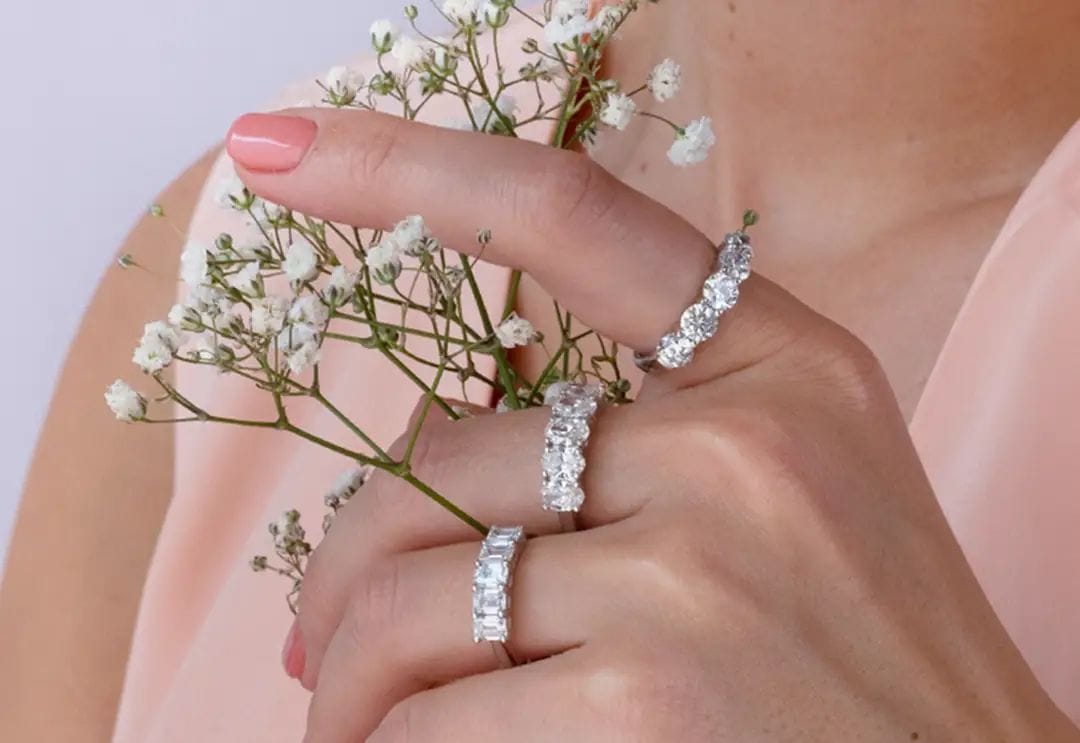
- Emerald: clean steps that highlight clarity
Should fingertip span or palm scale seem important, extended forms such as oval or teardrop may offer a stretched effect.
Custom Jewelry Advantages
Some folks pick lab created diamonds they like taking things step by step. The stone comes first. After that, the setting can wait. It works well when money needs spacing out or a custom look matters. Over time, the frame around it might change. That center gem stays put through each update.
Common Mistakes to Avoid
Most people spend too much without realizing it.
- Paying for clarity grades that look the same to the eye
- Ignoring cut quality
- Buying based only on carat
- Skipping the grading report
- Pick where you want the gem placed first. Start with the location, then find the rock
A choice that makes sense sits in the middle, held back by neither edge.
Care and Long Term Use
Most days these stones handle life just fine. Try rinsing under lukewarm water now and then. A drop of gentle soap helps, followed by light brushing. Keep each item apart when putting things away. Little marks fade that way. If you spot it weekly, look closer every few months. Tiny claws holding stone shift over time. Catch those shifts early. Routine glances do more than expected.
Who This Option Is For
For shoppers chasing bold looks without stretching budgets, lab grown stones deliver. Design lovers often pick them when craftsmanship matters more than where it came from. A person set on earth mined gems might skip these, though that’s about meaning, not flaws. Choosing one over the other leans on what feels right, not facts.
Final Buying Framework
Start by choosing something that feels right. Go with a form that catches your eye. Hold firm on how much you plan to spend. Aim for the finest quality within reach. Most of the time, what matters is how clear a thing looks, not its name on a tag. Pick proof over promises every single time. Look at several options before handing over money. This way beats running after fancy titles any day.
Common Questions Homebuyers Have
Are lab created diamonds real diamonds?
True. Their inner makeup matches natural stones, along with plenty of shared traits. Yet they’re made above ground instead of pulled from deep earth layers.
Shine just like natural stones do they?
True. How well a diamond shines comes down to how precisely it’s shaped, its exact dimensions, one detail after another. A smooth surface matters just as much.
Is it okay to include one within a ring meant for engagement?
True. If mounted correctly, they handle daily use just fine.