What Makes a Great Pair of Diamond Earrings
A good pair of diamond earrings can work with a tailored suit, a casual sweater, or an evening dress. Unlike a ring, earrings rarely need to match a particular skin tone or hand shape, which makes them a versatile jewelry choice.
The challenge is deciding which details deserve the most attention. Carat weight, cut quality, setting style, metal, and backing all affect appearance, comfort, and price.
Start With the Diamond, Not the Setting
The four Cs remain useful when comparing diamonds: cut, color, clarity, and carat weight. For earrings, however, their priorities can differ from those of an engagement ring.
Cut deserves close attention because it determines how effectively a diamond reflects light. A well-cut stone can appear lively and bright even at a modest size. Color is also worth considering, particularly with larger stones or white-metal settings.
Clarity often matters less for earrings than for jewelry viewed from several inches away. Small inclusions may be invisible without magnification. Instead of paying a premium for flawless clarity, buyers can often choose a clean-looking stone with a lower clarity grade.
Carat refers to weight, not visual diameter. Two diamonds with the same carat weight can appear different because their proportions and shapes vary.
Match the Shape to Your Style
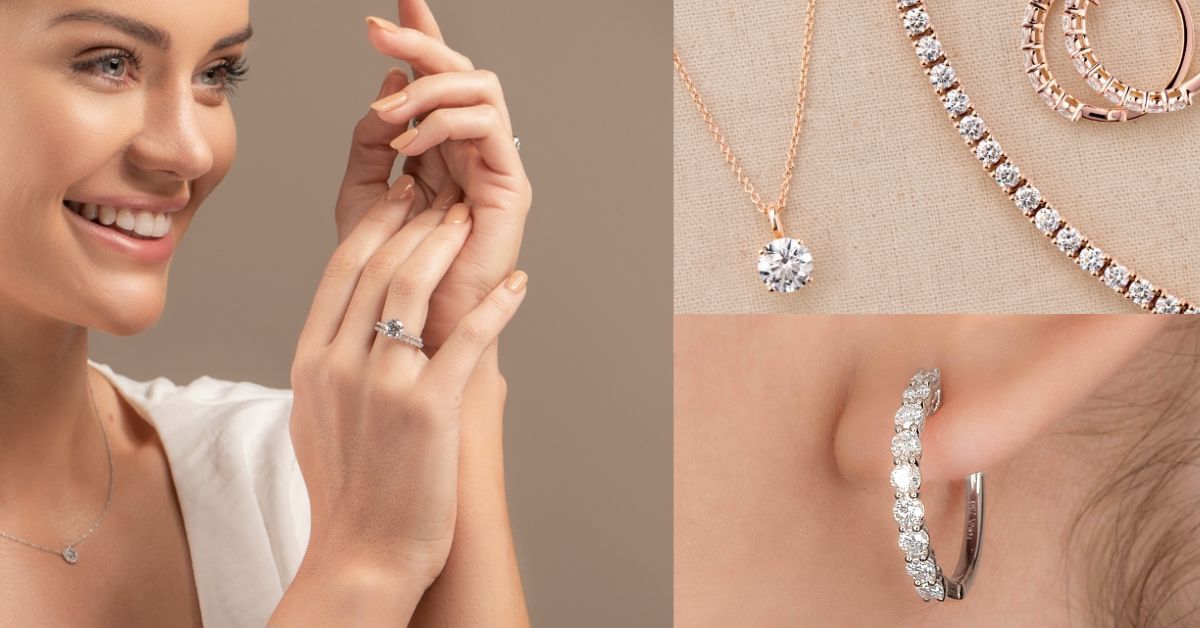
Round brilliant diamonds remain a popular choice because their faceting pattern is designed for strong light performance. They also suit almost any setting, from understated studs to more elaborate designs.
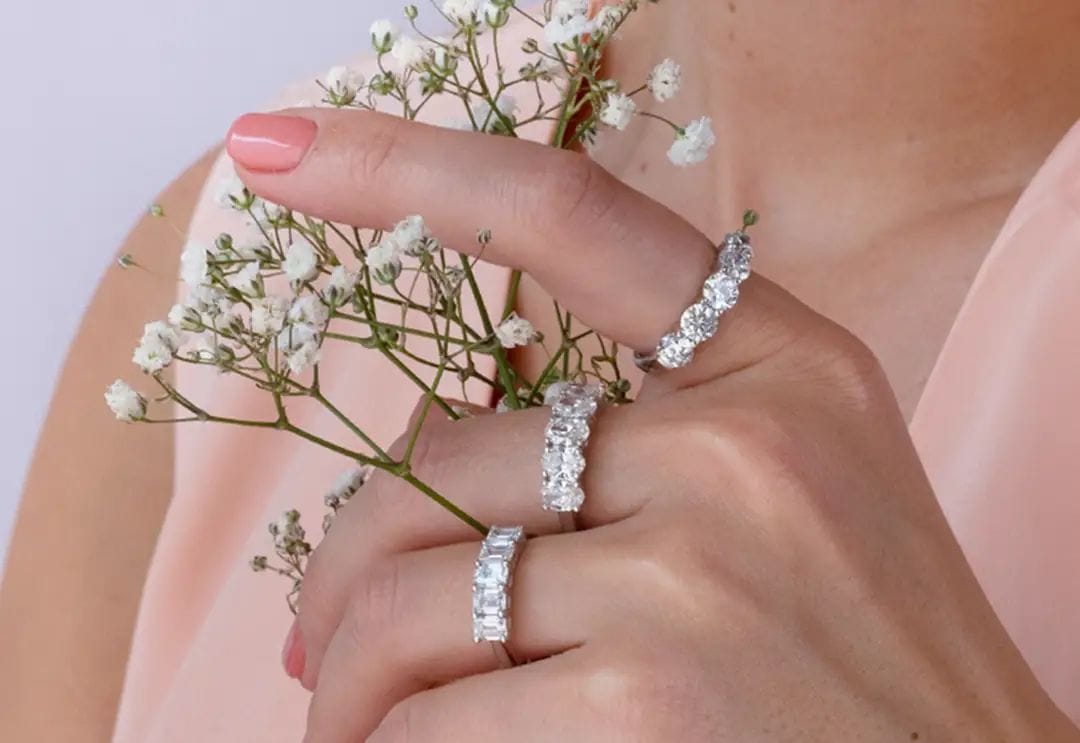
Oval, pear, emerald, and princess cuts create different visual effects. Elongated shapes can make a drop earring appear longer, while step-cut styles such as emerald diamonds emphasize clarity and broad flashes rather than intense sparkle.
For diamond earrings worn frequently, a classic shape can offer more flexibility. More distinctive cuts may suit someone who wants the jewelry to make a stronger stylistic statement.
Pay Attention to the Setting and Backing
The setting determines more than appearance. It also affects security, maintenance, and how much of the stone is visible.
Prong settings expose more of the diamond and can maximize light entry, while bezel settings surround the stone with metal. Bezel designs offer a streamlined profile and can provide additional protection around the diamond’s edges.
Earring backs deserve similar attention. Push backs are convenient and widely used for studs. Screw backs take longer to put on but can provide added security. Locking mechanisms can be useful for valuable pieces or people who wear earrings throughout the day.
For larger or heavier diamond earrings, weight distribution matters. A secure back cannot compensate for a poorly balanced design that pulls on the earlobe.
Choose Metal With Daily Wear in Mind
White gold, yellow gold, rose gold, and platinum each create a different visual effect. White metals provide a bright, neutral backdrop, while yellow and rose gold create more contrast against a colorless diamond.
Platinum is naturally white and highly durable, although it is typically more expensive than gold. Gold jewelry is commonly alloyed with other metals, and its karat rating indicates the proportion of pure gold.
Consider lifestyle as well as appearance. Someone who rarely removes their earrings may value durability and easy maintenance more than a particular metal finish.
Natural Diamonds and Lab-Created Options
Lab diamonds have essentially the same chemical composition and crystal structure as mined diamonds. They are produced using technologies such as chemical vapor deposition or high-pressure, high-temperature processes.
The distinction is origin, not whether the material is diamond. Certification can help buyers compare the stone’s characteristics and verify how it has been classified.
Pricing can differ substantially between mined and laboratory-grown stones. That difference may allow a buyer to prioritize a larger stone, higher cut quality, or a more substantial setting while staying within a fixed budget.
Getting the Size Right
Studs are among the easiest choices for everyday wear. Smaller stones tend to feel discreet and lightweight, while larger stones create a more noticeable look.
For drop or hoop designs, consider total earring weight rather than diamond carat alone. The metal, setting, and decorative elements can add considerable weight.
A useful approach is to think about where the earrings will be worn. Office jewelry may benefit from restrained proportions, while formal pieces can accommodate greater scale and movement.
A Purchase Worth Keeping
The best diamond earrings balance appearance with practical details. A lively cut, secure backing, suitable metal, and comfortable weight can matter more than simply choosing the largest stones available.
For shoppers comparing natural diamonds with lab diamonds, certification, construction quality, and long-term wear should remain part of the decision. The right pair should fit the owner’s wardrobe and routine, not just meet a specification sheet.