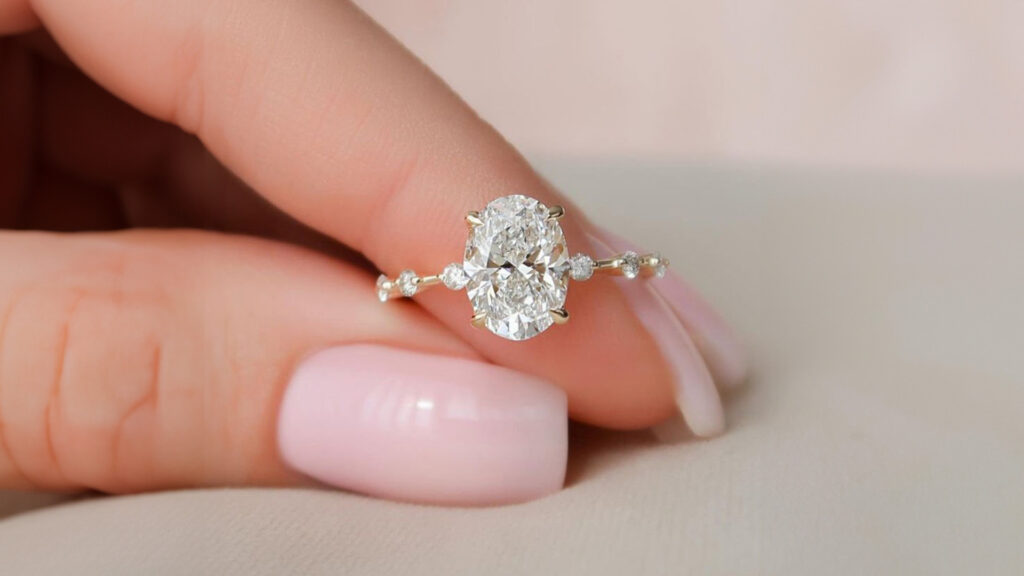
Man Made Diamonds Pendants: A Smart Buyer’s Guide
Understanding Lab Diamonds
Out of a lab comes a diamond just like any other found deep man made diamonds pendants. These stones match natural ones right down to their inner crystal layout and how they catch the light. A shopper might stumble on them when browsing rings or necklaces built to impress but cost less. Looking exactly like those pulled from mines matters most – price fades into background once eyes land on sparkle. Right now more people pick lab-made gems for rings, earrings, or diamond-style necklaces. Here’s what matters most. These stones aren’t pretend. They’re actual diamonds grown using smart science that copies how nature builds them deep underground. Look at one with your eyes alone – no tools – and even experts might mix it up with a dug-up version.
Lab Diamonds How Theyre Created
Folks who make diamonds usually stick to one of two main ways. Sometimes they grow them in labs under high pressure, other times mimic nature using heat and gases. Each path skips mining but still ends up shiny.
High Pressure High Temperature
Deep underground, heat builds along with heavy squeeze. Slowly, carbon shifts shape, becoming a hard stone. Over long stretches, it firms up into what we know as diamond.
Chemical Vapor Deposition
A tiny diamond starter goes lab diamonds full of gas that holds carbon. As time passes the carbon sticks to it building up layers slowly. Real gems come out from either way these are made. Once grown workers shape them smooth then sort by quality exactly how they treat earth-dug ones.
How They Differ From Mined Diamonds
Deep below Earth, natural diamonds take eons to develop. Meanwhile, human-made versions appear inside labs within weeks or months. Though their beginnings differ wildly, science treats them as identical once complete. One comes from ancient pressure, the other from modern tech – both end up indistinguishable. Atoms of carbon sit in identical patterns inside each. So their setup is a match
- Hardness
- Brilliance
- Fire and sparkle
- Durability
- Optical properties
Whichever choice you make, it holds up just fine when worn daily.
How Quality Gets Measured
A single set of rules guides how we rate diamonds, whether they come from deep underground or grow in a controlled setting.
Cut
Light bounces differently depending on a gem’s shaping. When diamonds are crafted just right, they shine far more vividly.
Color
Most diamonds carry some tint, yet those that look clearer earn better ratings. A stone’s ranking goes up when its hue fades from sight.
Clarity
What something looks like inside and out matters most. When flaws show less, worth tends to go up.
Carat Weight
A diamond’s heft comes down to carats, not how big it looks. Bigger usually means pricier compared to tinier rocks. Look closely at traits like cut and clarity since every stone differs in value.
Buyers Pick Lab Diamonds
Looking for a big, clear gem on a tight budget? Lab-made stones make it doable. Take someone spending a certain amount – they might grab a bigger rock with better color and fewer flaws than a natural one at that price. That kind of choice draws folks who care how it looks. Then there is selection. Shoppers see more cuts, sizes, and ratings, free from scarcity worries.
Popular Jewelry Styles
From rings to necklaces, lab diamonds show up almost everywhere in high-end jewelry. Think earrings, bracelets – those kinds too
- Engagement rings
- Wedding bands
- Stud earrings
- Tennis bracelets
- Pendants and necklaces
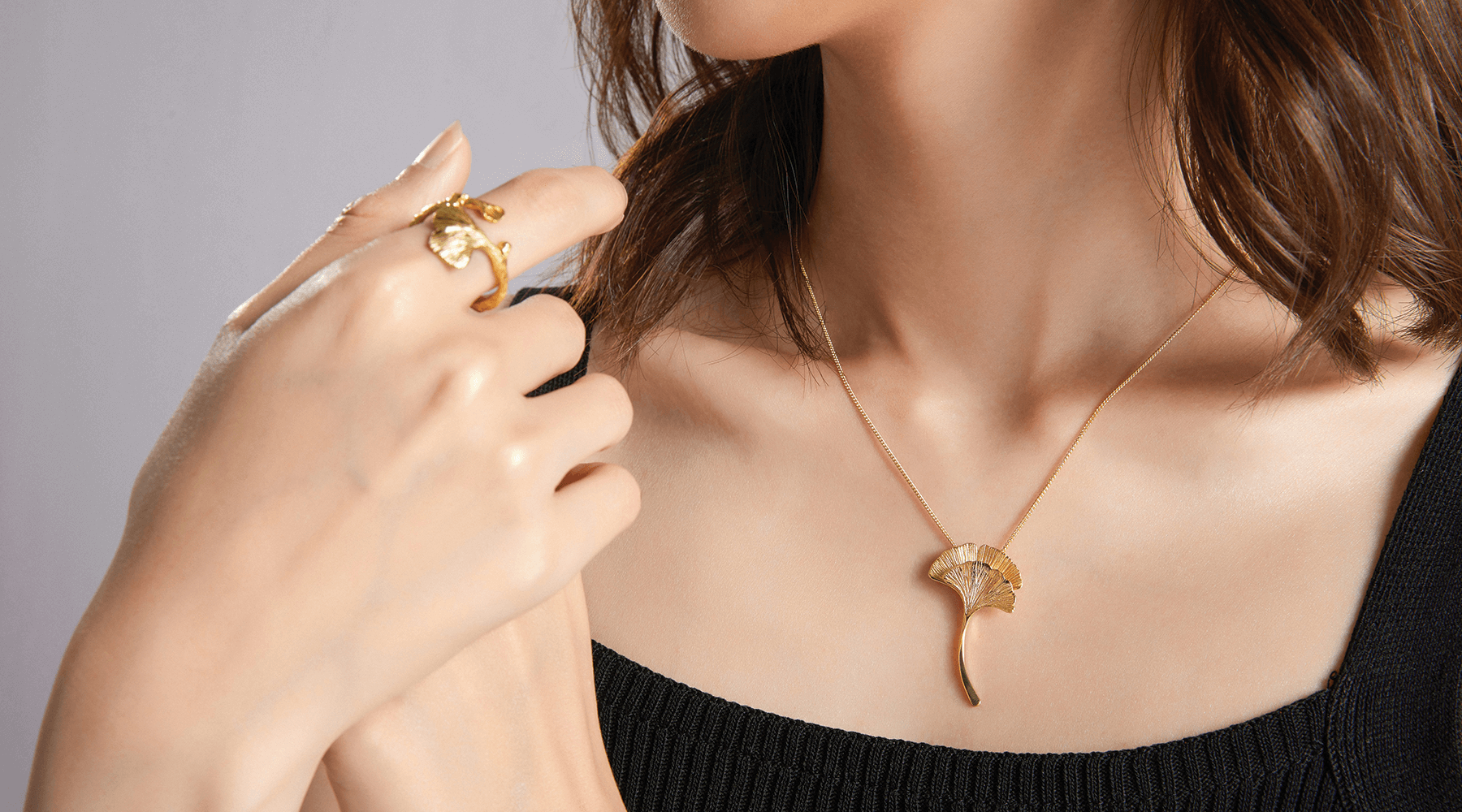
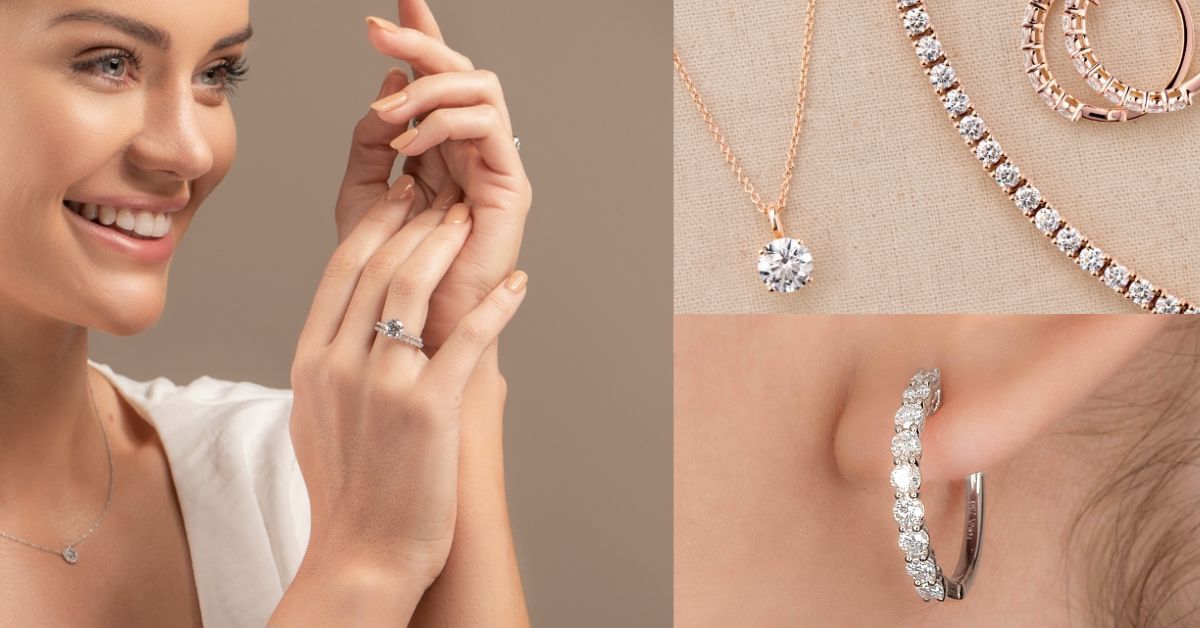
Some people searching for lab grown diamond necklaces like how big the main gem can be without spending too much. These choices often come down to what stands out most on a chain. A single stone set plainly takes attention straight to its sparkle. Designs that circle the center with smaller stones add extra shine some find hard to ignore. Others pick styles with several gems together when more flash feels right.
Choosing a Diamond
Whatever stands first for you – that’s where to begin. Should brilliance be key, then cut quality deserves full attention. Often, a tiny stone with great proportions outshines a bigger one carved carelessly. Size topping the list? Set the lowest color and clarity levels that still feel right to you. Then pause before any purchase
- Review grading information carefully
- Compare several stones
- Check certification details
- Examine close-up images when available
- Confirm return policies
By doing this, your choice gains clarity.
Certification Matters
Apart from visual inspection, experts assess diamonds using precise tools. Such evaluations measure clarity by spotting tiny marks inside the stone. Light behavior gets analyzed to judge how sparkly it appears. The shape and cut style influence its overall look closely. Color grade reflects slight tones, usually near colorless ranges. Measurements determine proportions that affect brilliance too. Certification papers record these details for buyers to review later
- Carat weight
- Color grade
- Clarity grade
- Cut grade
- Measurements
- Additional identifying details
A grading report gives a clear way to judge one diamond against another. When there’s no certificate, checking if quality statements are true gets tricky.
Durability Built for Everyday Use
Tiny crystals built in labs can be just as tough as mined ones. Hardness stays high thanks to how atoms lock together tightly. Pieces meant for daily wear handle stress well – fingers twist, hands bump things. Still, grime builds up even on strong surfaces after weeks pass by. A gentle wash lifts dirt without harming the shine underneath. Warm liquid soap works fine when paired with cloth or soft bristles. Neck chains, finger bands, ear hooks – all respond to routine wipe-downs. Time spent wiping keeps luster steady through seasons of use. Pieces kept apart tend to stay safer from scratches. When cleaned often, they hold their shine longer.
Common Misconceptions
Myths still float around, muddying what’s clear. Sentences twist truth into something harder to grasp.
Lab Diamonds Aren’t Fake
Truth is, these gems share an identical makeup with earth-dug ones. What sets them apart isn’t composition but origin – both sparkle just the same. Inside each one, carbon atoms bond exactly like they do deep underground. Not imitation, not substitute – they count as real by every scientific measure. Where they come from changes nothing about what they are.
Myth People Appear Different
Reality: Their visual appearance matches mined diamonds.
Myth They Wear Out Faster
Hard truth first – these materials stand equal when it comes to strength and how long they last. Picture this: knowing that changes how people see their choices, shifting things from guesswork to clear insight.
Value and Long Term Satisfaction Compared
What really counts when picking a piece of jewelry? For some, it’s where the stone was found deep in the earth. Looks matter more to another kind – along with how big it is and what they can pay. Start by thinking about your own must-haves, not someone else’s rules. Then take stock before sorting through choices. What stands out when you look at it?
- Looking for a big rock? How about the biggest one around?
- Does how it looks matter most to you?
- Maybe your taste leans toward certain kinds of jewelry?
- Are you working within a fixed budget?
What you say matters more than what’s popular. When people look into lab diamonds, matching how it looks with price often makes sense.
Frequently Asked Questions
Are lab diamonds real diamonds?
Fine. Identical makeup down to the atoms, just like natural ones pulled from the ground. Same inner pattern shapes how they behave. Every measurable trait matches what you’d see in a traditional diamond.
Most people cannot spot the gap between one grown underground and another made in a lab.
A machine might detect slight variations. To the eye, they look nearly identical. Light behaves the same way on both surfaces. Only experts with tools notice subtle differences.
Origin is what sets them apart – not appearance.
Most times, you cannot see it with just your eyes. Spotting where it began typically needs tools made for the task.
Do lab diamonds work well in fine jewelry?
True enough. Built to last, they catch the eye – perfect for rings, plus earrings, even necklaces. Man made diamond pendants? Those work too.