Platinum Rings Guide: Durable Choices for Every Occasion
A sparkly stone made in a lab counts as a true diamond. Same atoms, same shine, same toughness compared to one dug up from rock layers far below ground. Hold it close – looks just like the traditional kind when light hits its surface. Birthplace changes everything though. Earth forms gems slowly under intense heat and pressure over vast stretches of time. Humans now copy those conditions quickly inside special chambers that build them piece by piece across days instead. Starting fresh each time keeps things uniform in both feel and shape. For those after diamond toughness and shine minus the steep price or earth damage, lab made stones come through.
Lab Grown Diamonds How They Are Made
A common way to make diamonds in a platinum rings with mimicking Earth’s natural conditions deep underground. Another approach skips the high-pressure setup by using gases to build diamond layers slowly over time
- Under extreme heat and pressure, carbon transforms into diamond, just like deep underground. This process mimics nature’s own way of creating gems, using force instead of time.
- A thin layer of diamond forms when carbon gas settles under pressure. With this technique, makers adjust stone dimensions and purity level quite easily.
One way or another, real diamonds come out – perfect for rings, pendants, yet also bracelets. Pricing shifts depending on how they’re made, availability too, though the stone itself stays just as clear, just as hard.
Laboratory Created Diamonds Offer Environmental And Ethical Benefits
Lab grown diamonds have several benefits that may appeal to you as a buyer:
- For less money, lab diamonds usually cost 30 to 40 percent below natural ones that match in size and clarity.
- From mine to market, every step checks out. Know where your stone comes from – no gray areas, just transparency. A clean path means peace of mind.
- Fewer flaws show up in lab-made gems because controlled settings help avoid impurities. What you get is a clearer look without the usual clutter found underground.
- A single lab-grown stone needs far smaller patches of earth. Water use drops sharply when factories replace open pits. Fewer resources vanish into production lines. Mines carve deep scars – these methods leave shallow marks. Nature keeps more of its shape this way.
A smarter choice appears when cost and conscience matter – lab created diamonds offer quality without the steep tag or moral questions. Though natural stones have appeal, these alternatives skip the guilt plus avoid draining your wallet. Their sparkle matches mined gems, yet they come from controlled settings instead of distant pits. For many, that balance makes sense. Not everyone wants to pay more just for tradition. These stones deliver clarity, fire, value – all while sidestepping damage linked to digging deep.
Picking a Lab Made Diamond
A lab grown diamond needs careful picking, just like one pulled from the earth. Look closely at how it’s cut, its shade, purity, and heft in size.
- A stone’s sparkle depends on its cut quality. Choose one rated excellent or nearly that high. Light bounces better when the shaping is precise. Ratings help spot those that shine fully. Aim for top marks since they show true brilliance.
- Fewer hints of color mean higher worth. Buyers usually go for stones that look almost clear, especially those rated G to H. Worth climbs when the tint fades. Stones without a noticeable hue tend to catch more interest. Nearly transparent gems rank high on most lists. The fainter the shade, the stronger the appeal.
- A good look usually means fewer tiny marks inside. Try aiming for VS or SI if you want clear but reasonable cost. Most lab stones come cleaner by nature.
- A single carat can shift both look and cost in ways you might not expect. Picking one comes down to what feels right when you wear it plus how much you’re ready to spend. Size climbs bring price jumps that surprise many.
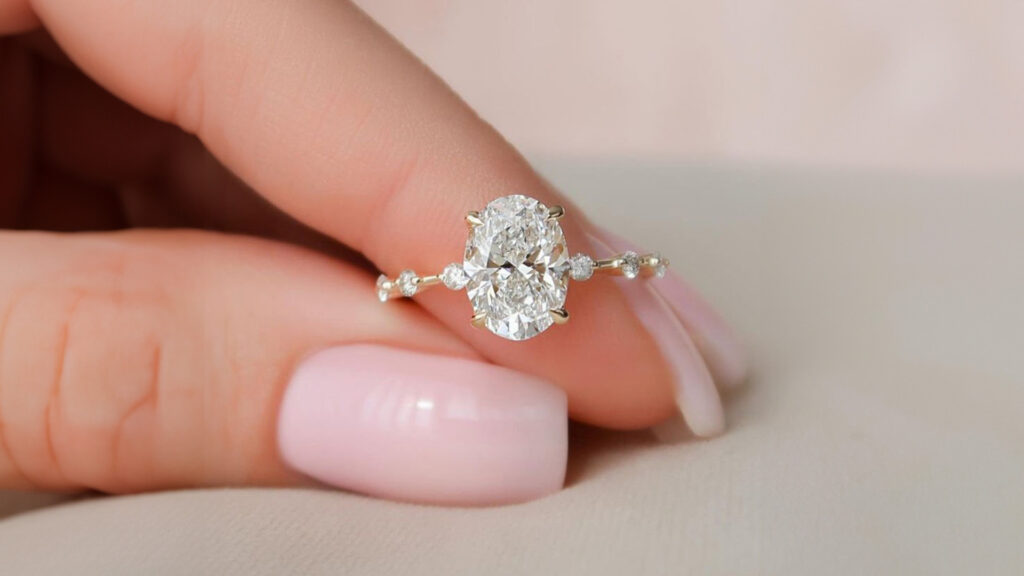
A single carat lab created stone, cut well enough to shine bright, colored like a pale gold, clear but for tiny marks unseen by most eyes – this one dances with light much like its earth-mined twin, yet asks fewer dollars in exchange.
Caring for Your Lab Grown Diamond
Folks often pick lab diamonds because they resist scratches so well – thanks to their top score on the hardness chart. Worn every day, even as rings, they hold up just fine. Shine stays strong when cleaned now and then
- Once in a while, wipe it down with gentle soap mixed in lukewarm water – alternatively try a store-bought polish made just for jewels. Sometimes rinsing helps loosen buildup; afterward pat dry slowly. A soft cloth works well after washing, especially if residue sticks around. Every few weeks gives good results without overdoing it. Not too often though, since frequent scrubbing might wear details thin.
- Far apart keeps things safe from scrapes. Kept alone means less rubbing against others. Away by itself prevents marks on different pieces. Held separate avoids scuffs altogether. Set aside stops contact damage every time.
- Now and then, check how things are set – this matters most for bands you never take off.
Following this routine keeps your diamond shining just like when you first got it. A little care goes a long way in preserving its sparkle over time.
Lab Grown Diamonds and Jewelry Styles
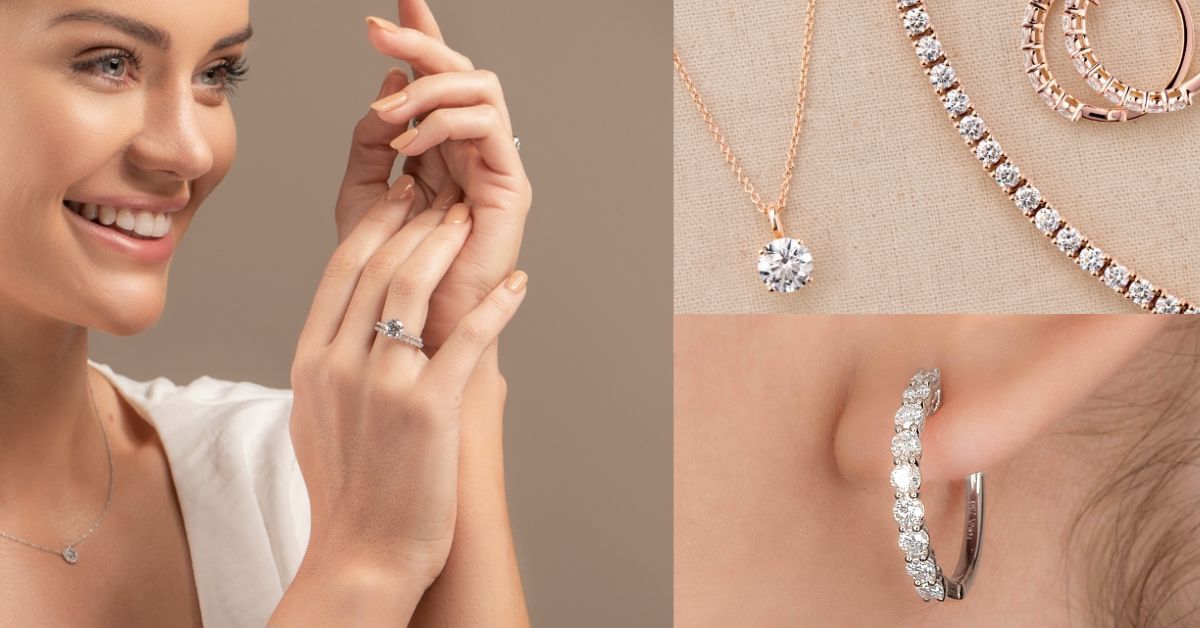
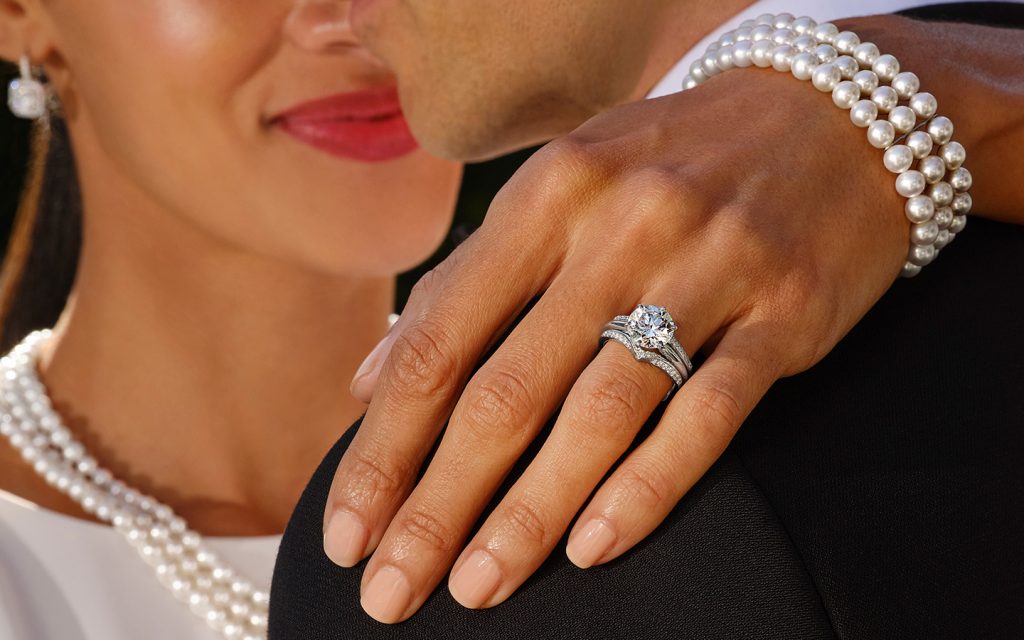
Imagine slipping a lab grown diamond into your favorite ring design – whether it is an engagement band, a pair of earrings, or even a delicate pendant. These stones work just as smoothly with platinum as they do with warm yellow gold, soft rose gold, or sleek white gold. Picture one single stone, glowing on a cool platinum base – that kind of look brings timeless grace without compromising values.
Cost Considerations
What stands out about lab created diamonds? Price. For what you’d pay for a natural one, the gem on your finger could be bigger or cleaner. A different choice, same wallet hit.
- Carats shape cost, while the cut plays a role too. Clarity steps in alongside hue, each shifting the price in quiet ways. What matters most hides in how these pieces fit, not just one alone.
- A price bump could come from tailored choices. Custom work tends to add up in pricing.
- Fresh from the lab, these stones usually carry a certificate confirming their grade and realness.
That extra cash might go toward a finer setting, more gems, or pieces that pair well together.
FAQ
Are lab grown diamonds real diamonds?
Fine. Identical traits, down to the last detail – just born in labs instead of deep underground. Everything else matches perfectly.
Do lab grown diamonds hold value?
Starting off, lab created stones hold worth – just less than earth-mined ones usually do. Affordability often matters most here. Ethical reasons play a big role too.
Can lab grown diamonds be used in engagement rings?
Fine for everyday use – these stones hold up well while looking just like natural ones. Their strength matches their appearance, so wearing them often is no issue.